More than 19,000 people visited the 2026 Biennale Matter of Art
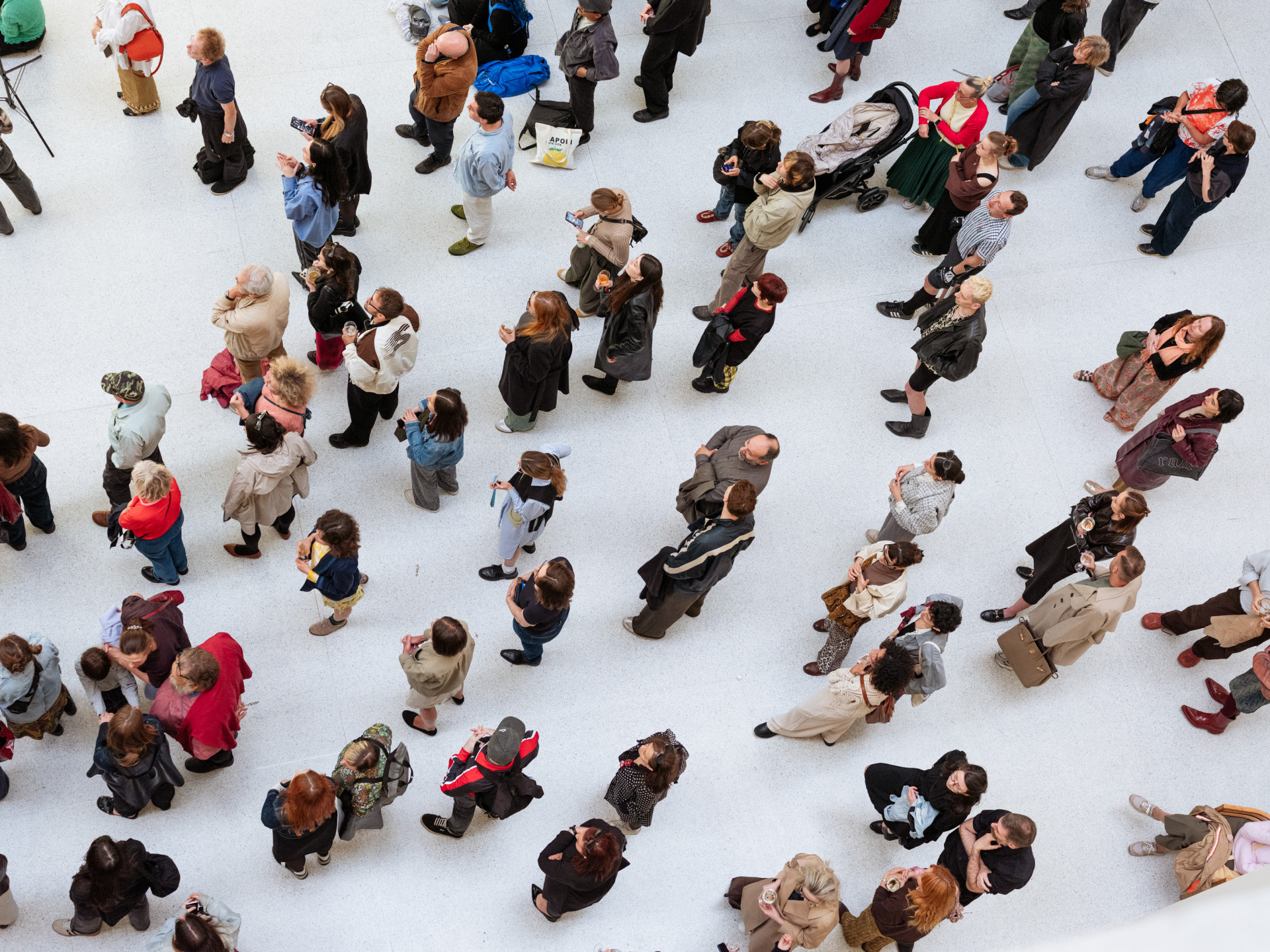
Opening of the 2026 Biennale Matter of Art, National Gallery Prague – Trade Fair Palace © Katarina Hudačinová
The fourth edition of the Biennale Matter of Art, titled Necessary Wishes, closed on 26 September. The exhibition and accompanying program at the National Gallery Prague – Trade Fair Palace, GAMPA – City Gallery Pardubice, and the Tusculum Prague art centre drew a total of 19,830 visitors. Curated by Jaroslava Tomanová, Jakub Gawkowski, and František Fekete, the biennale presented forty-nine artists and collectives from twenty countries, including six newly commissioned works, and offered sixty-one events over the course of three and a half months. Admission to the exhibition and all events was free of charge.
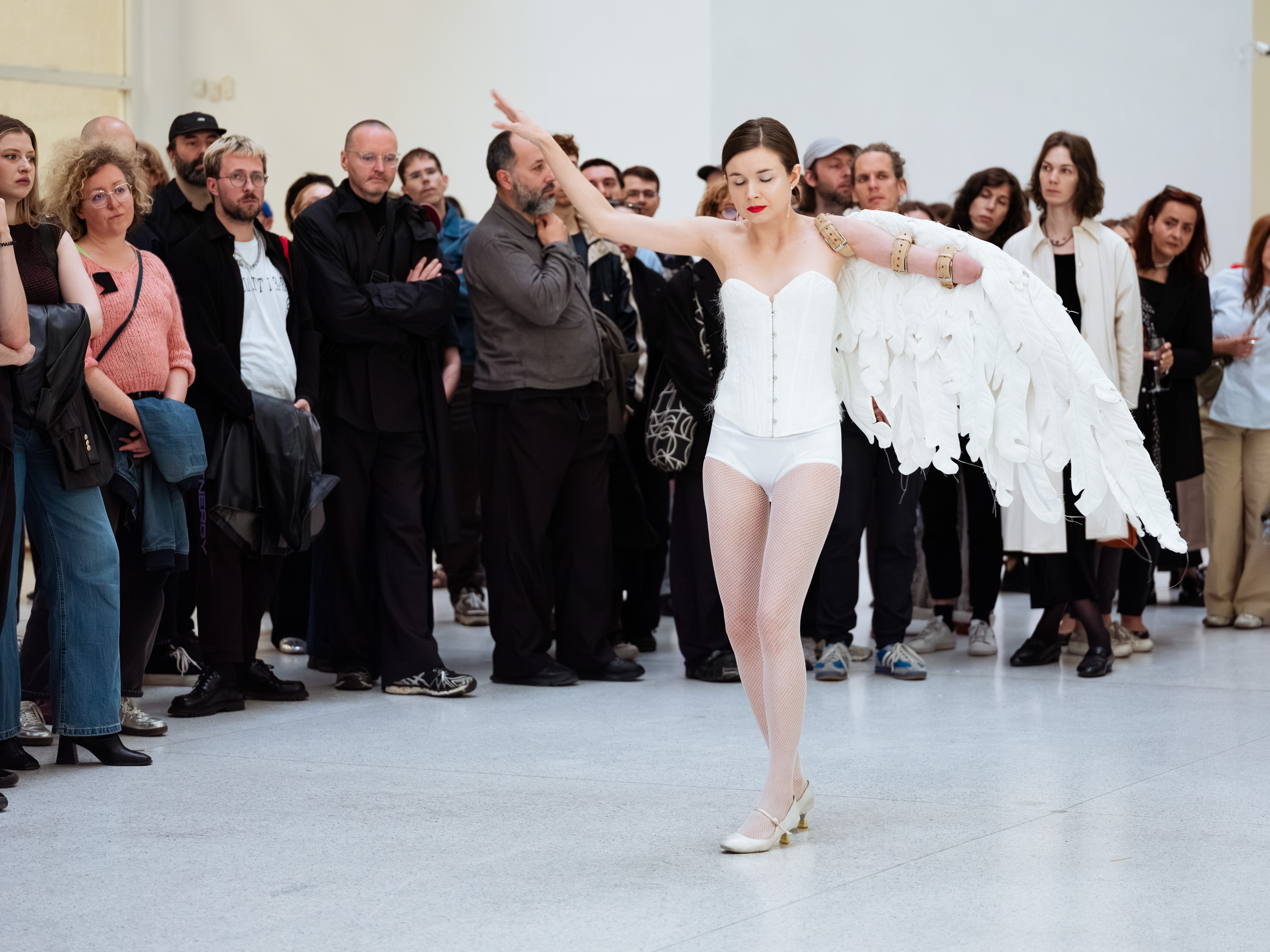
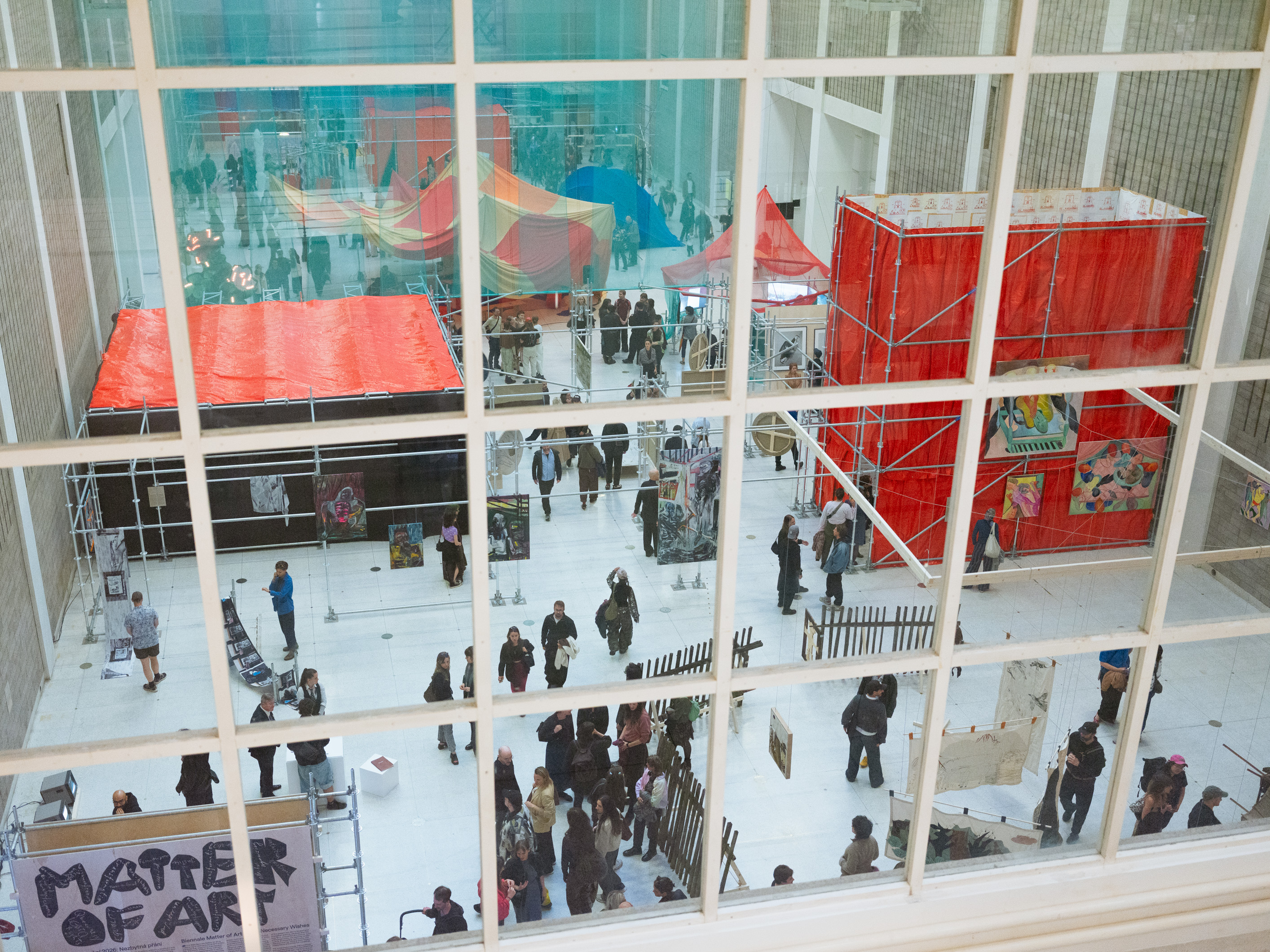
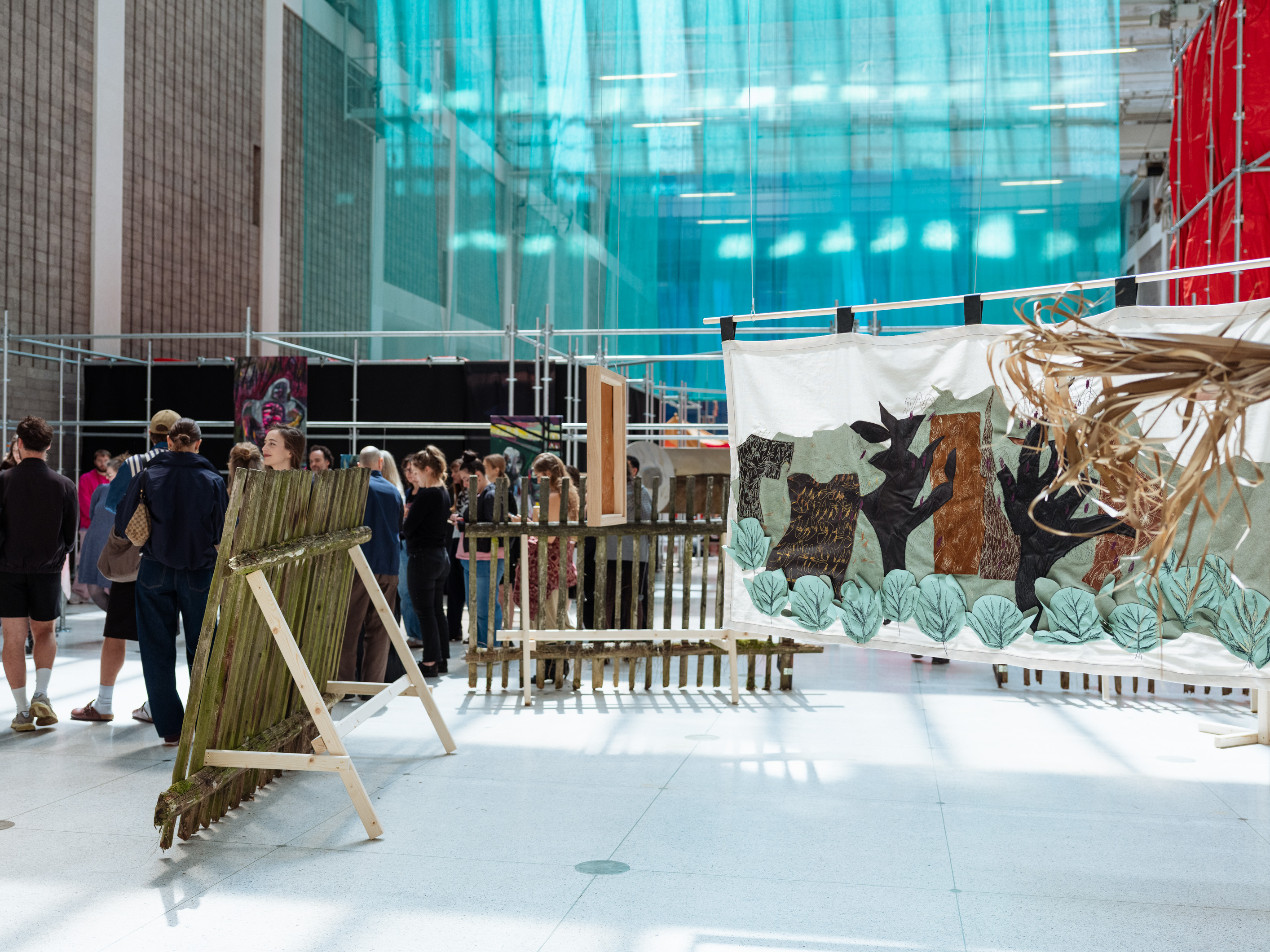
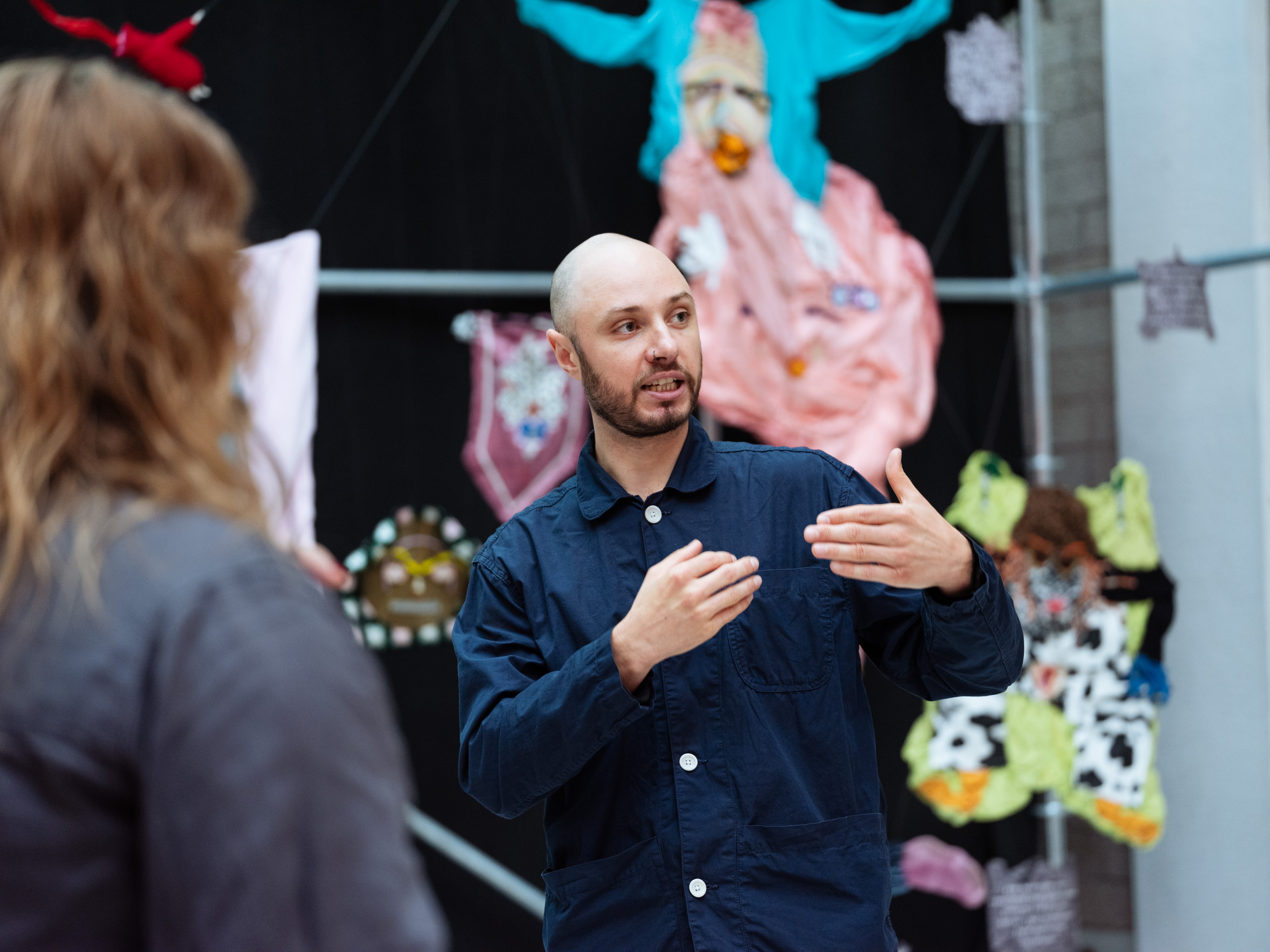
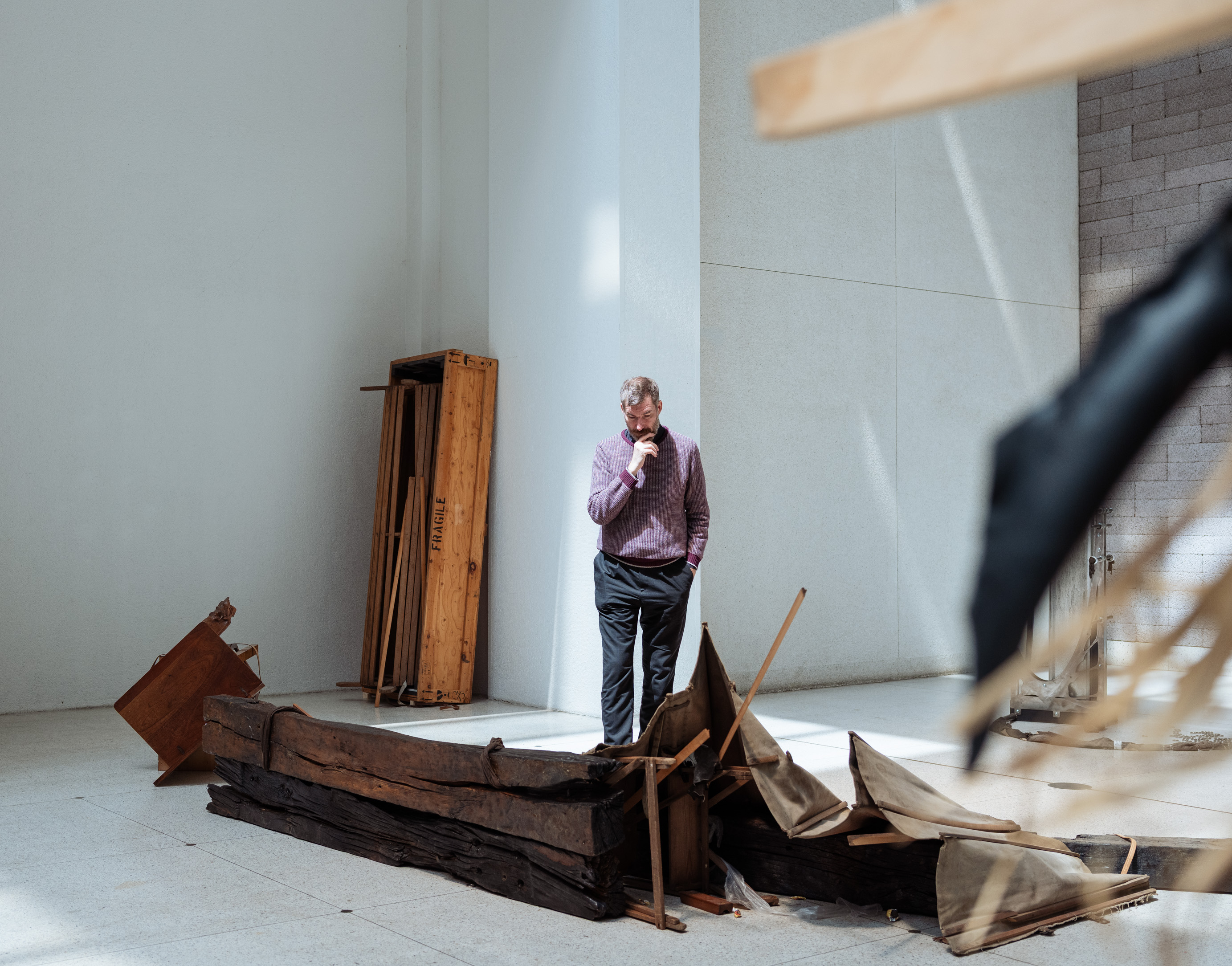
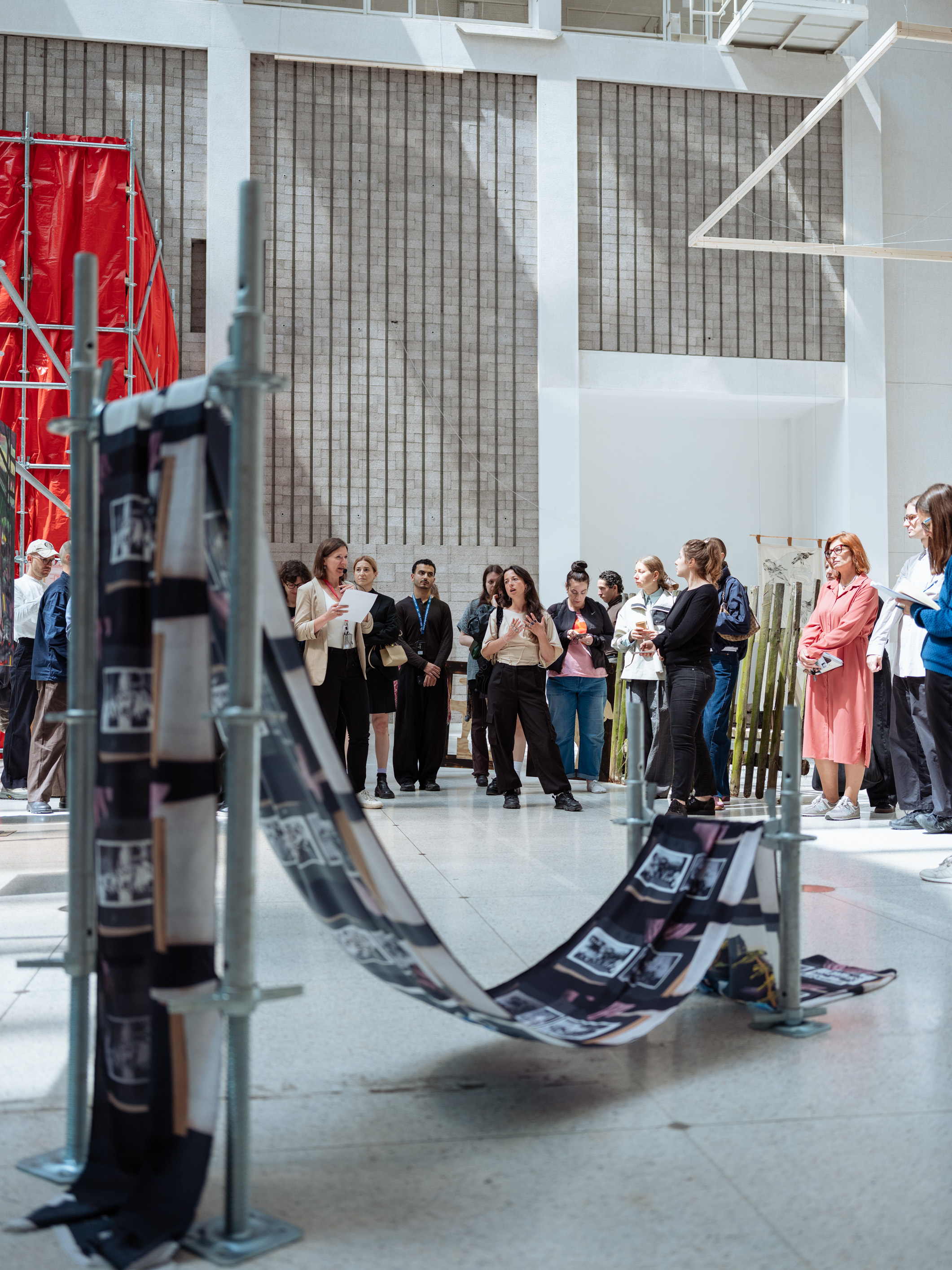
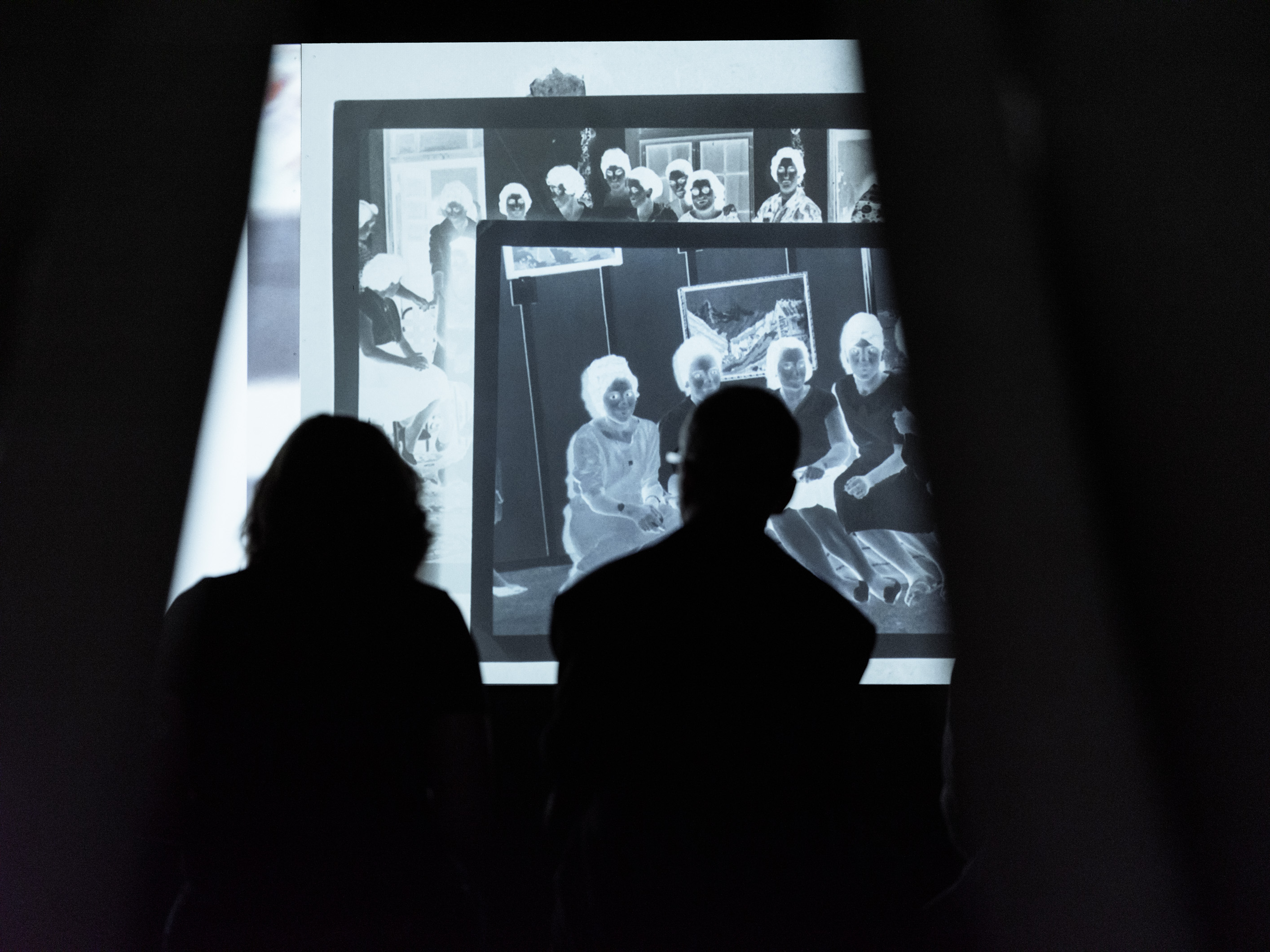
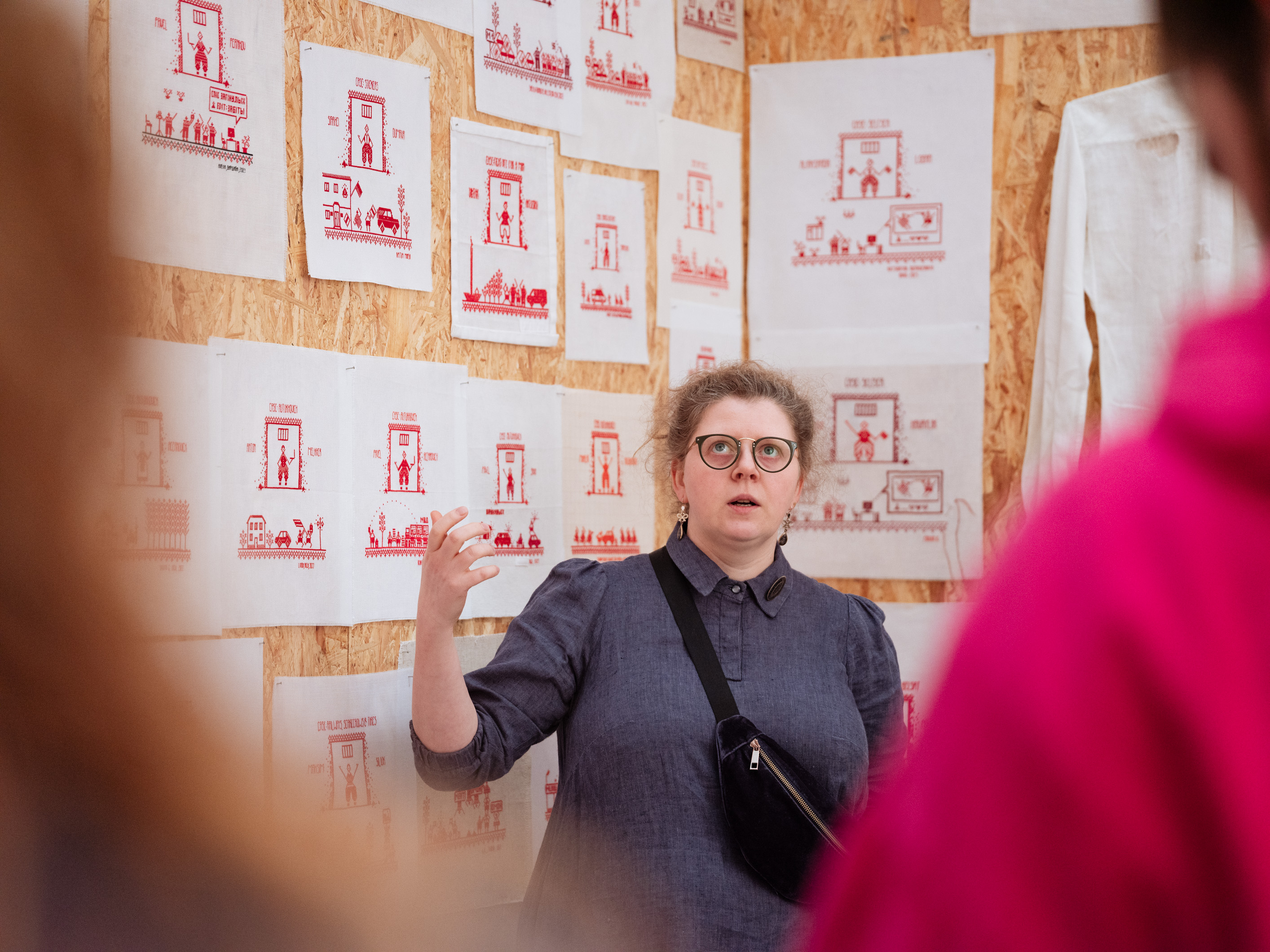
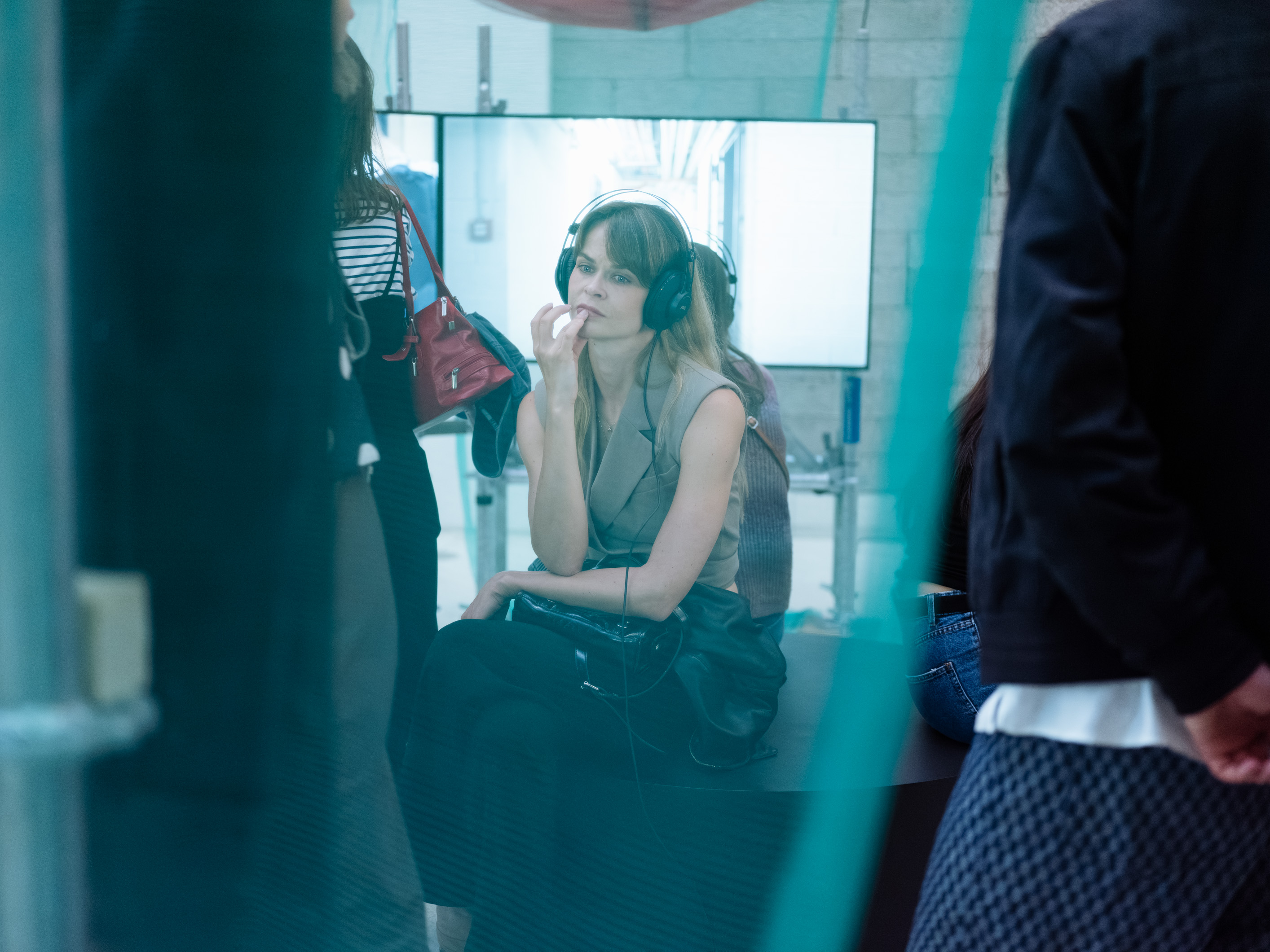
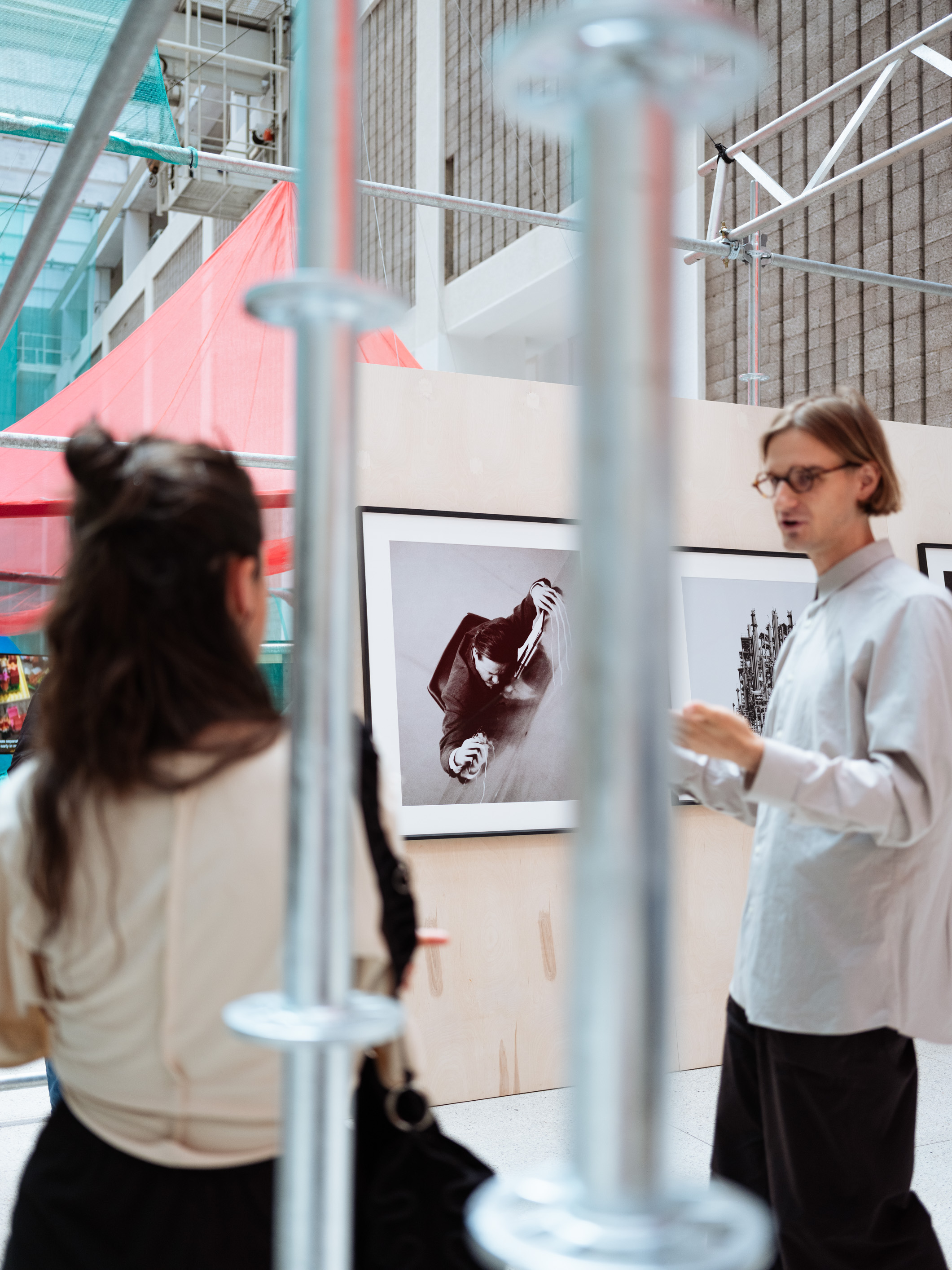
Opening of the 2026 Biennale Matter of Art, National Gallery Prague – Trade Fair Palace © Katarina Hudačinová
The curatorial trio interpreted the biennale’s subtitle, Necessary Wishes, as a view of creative work as a natural response to the circumstances that surround us. Such work can take the form of defiance, a private expression, or a withdrawal into oneself, while also helping people stand together. The biennale therefore unfolded not only in galleries but also through group readings, cooking, tending garden beds, and community radio broadcasts. It took place across three main venues in Prague and Pardubice.
The Great Hall of the Trade Fair Palace displayed the work of AntiGonna, Noor Abed, Szymon Adamczak, Željka Aleksić, Gleb Amankulov, David Apakidze, Yana Bachynska a.k.a. Jan Bačynsjkyj, Jürgen Baldiga, Leila Basma & Zaher Jureidini, Rufina Bazlova / Stitch It Collective, Tina Bxtq, Davyd Chychkan, Michal Durda with Izbova teplota, Jan Durina, Fůd, Hana Garová, Ladislava Gažiová, Adrián Kriška, kroužek intersekce, Nadia Markiewicz, Shabu Mwangi, Aron Neubert, Aliza Orlan, Bronislava Orlická with Zuzana Smrkovská, Taring Padi, Cezary Poniatowski, Publik Universal Frxnd, Nour Shantout, Shella Radio, Alina Sokolova, Felipe Steinberg, Huda Takriti, and Jiří Žák.
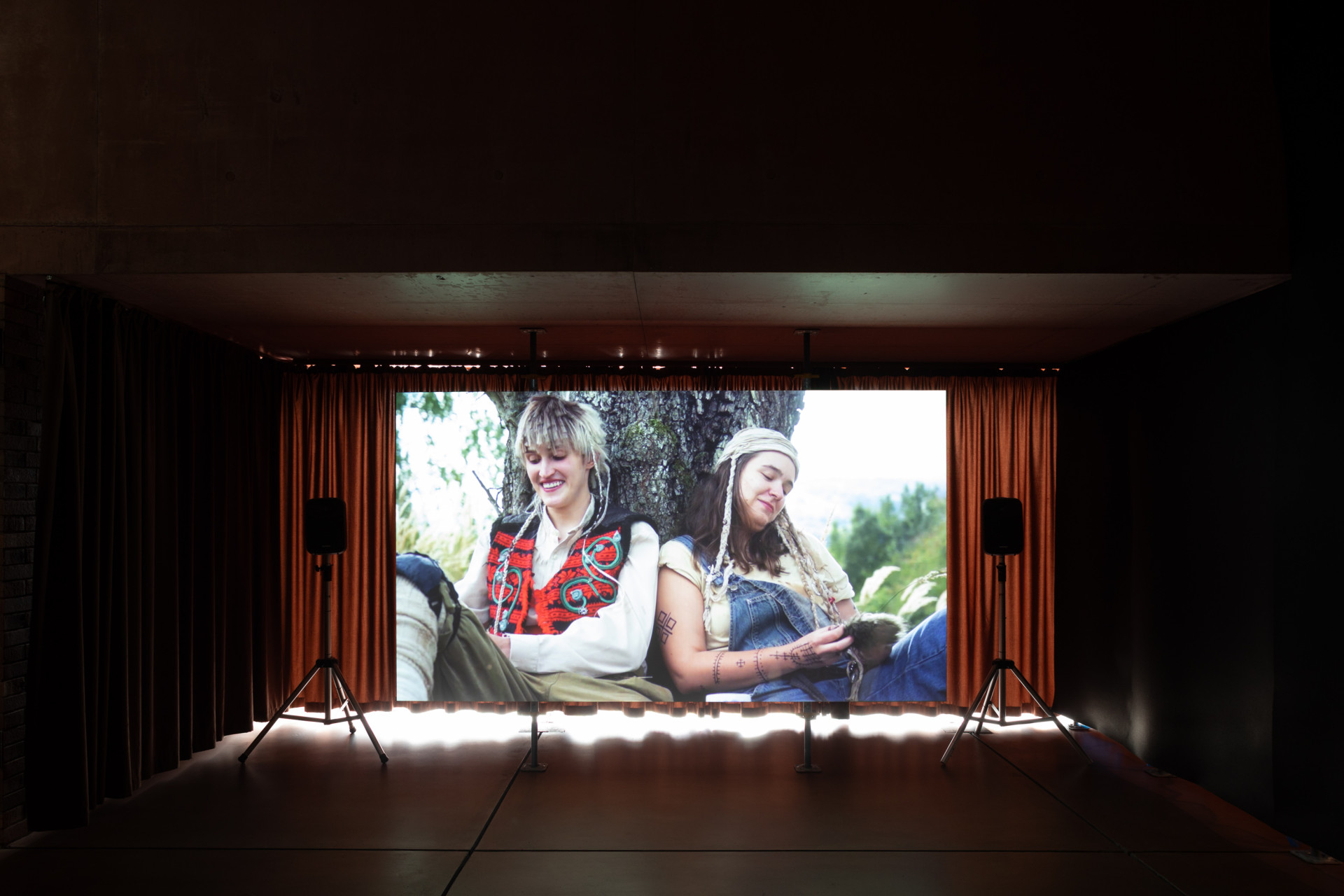
Alex Sihelsk* – Zveromezde, Biennale Matter of Art 2026, GAMPA – City Gallery Pardubice © Jonáš Verešpej
The exhibition at GAMPA in Pardubice featured Ștefan Bertalan, Cezary Bodzianowski, András Cséfalvay, Nosrat Karimi, Seba Kayan, Běla Kolářová, Isadora Neves Marques, Alex Sihelsk*, Fedir Tetyanych, and Liliana Zeic, with works by Anne-Mie Van Kerckhoven and Margaret Raspé shown at both venues. GALAS, Zoi Michailova, and StonyTellers presented their work through an intervention and performances at Tusculum. The exhibition was tied together with an architectural design by RUINA Office influenced by scaffolding and construction sites, and a special issue of the zine Fůd was released as the accompanying publication.
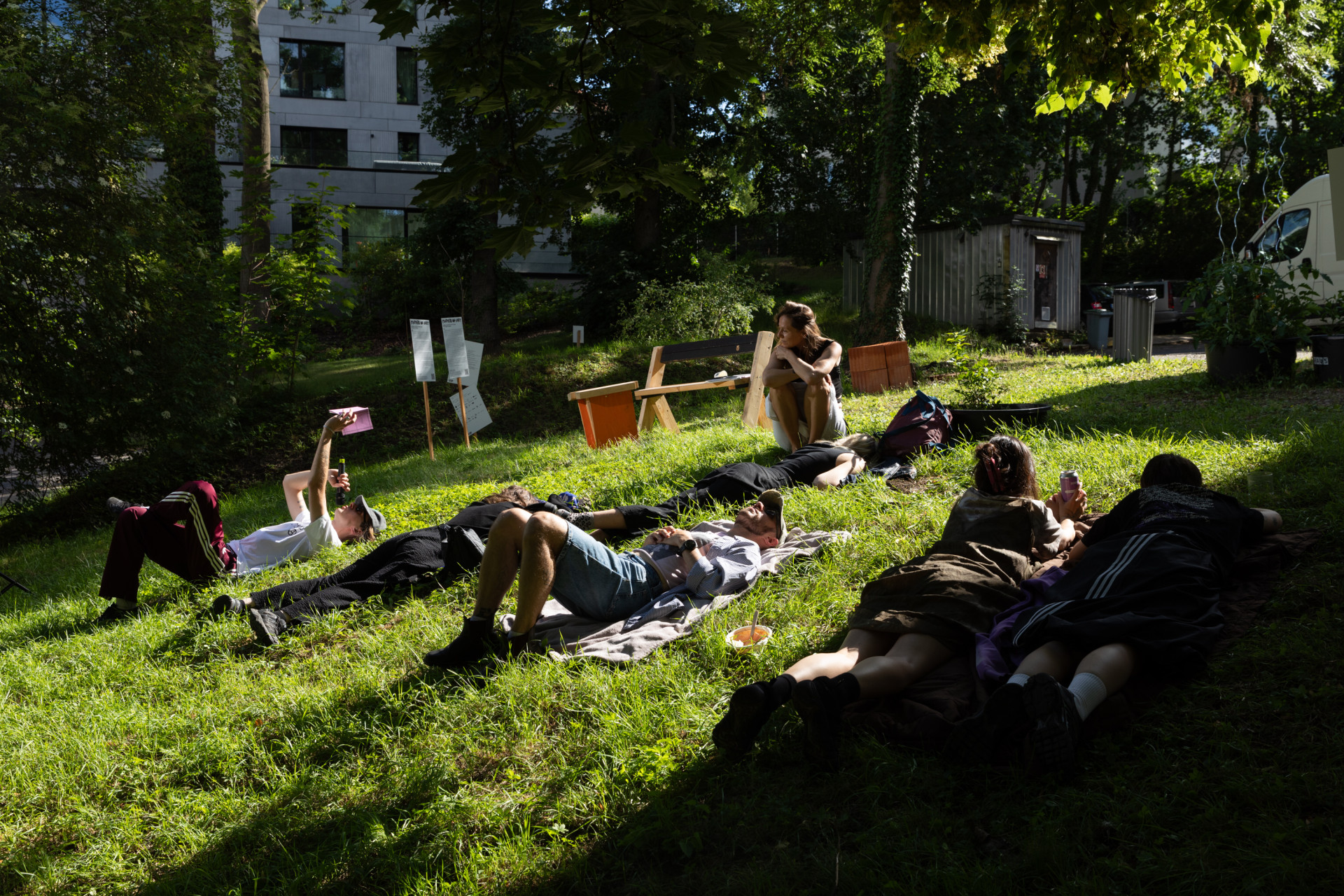
Poetry reading by Taras Gembik, Opening of the 2026 Biennale Matter of Art, Tusculum Prague © Jonáš Verešpej
The Tent, the Garden, and the Summer Cinema
The program opened with an extended weekend from 11 to 14 June featuring three openings, performances by Nadia Markiewicz, Michal Durda / Izbova teplota, and Seba Kayan, a performative lecture by Felipe Steinberg, the launch of a book marking the anniversary of the founding of the tranzit.org network, and a happening by the GALAS collective at Tusculum. A total of nineteen guided tours took place, in both Czech and English. At the heart of the Trade Fair Palace was the Tent of kroužek intersekce, the centerpiece of the exhibition and the hub of its community life. There the collective hosted readings of feminist texts open to everyone. Nine sessions covered topics ranging from parenthood and radical friendship to the social capital of libraries, the thought of Frantz Fanon, and decolonial feminism.
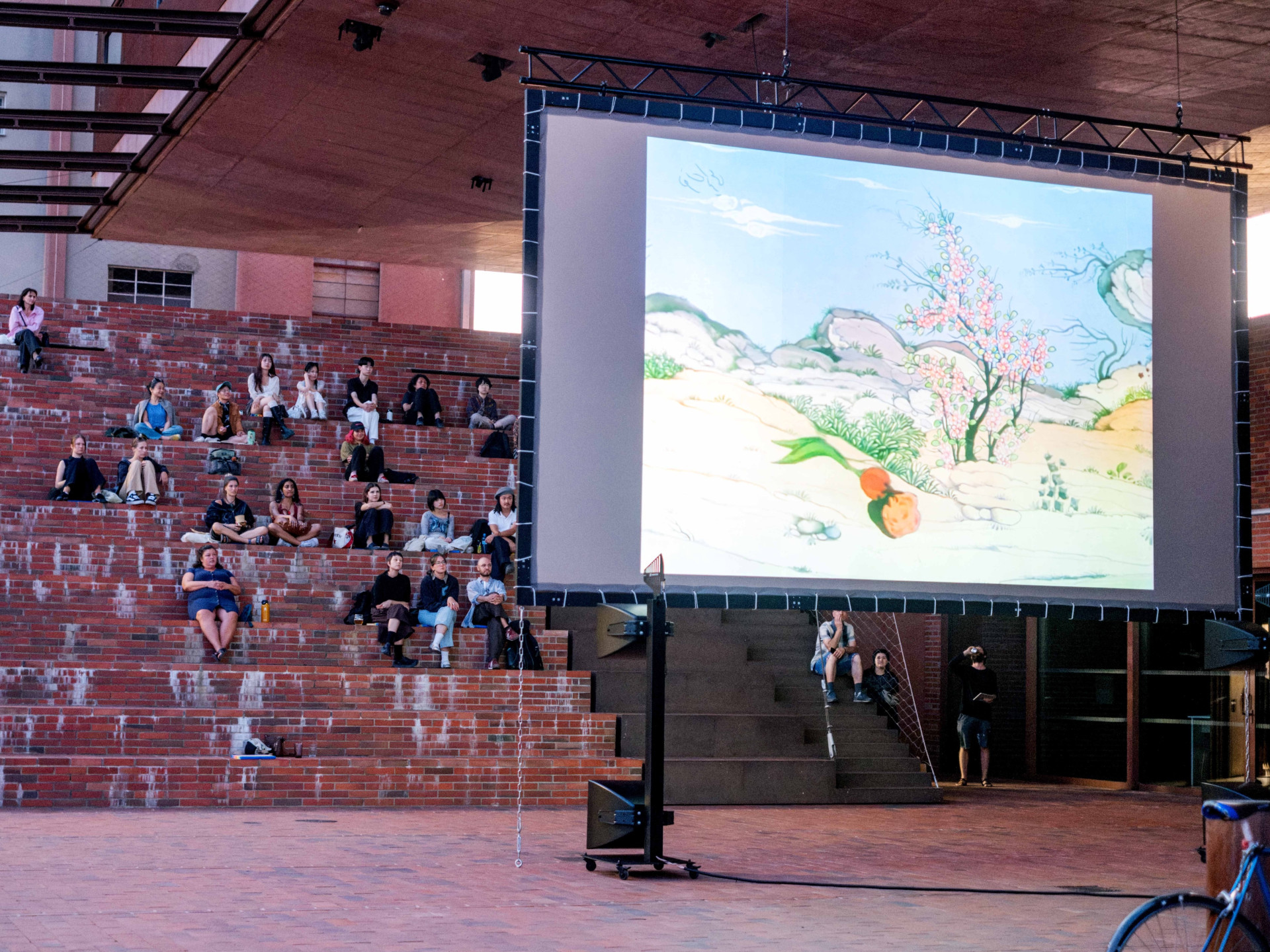
Summer Cinema, Biennale Matter of Art 2026, GAMPA – City Gallery Pardubice © Marie Matula Sieber
Beyond the readings, individuals and groups could use the Tent free of charge for their own events, from debates to neighborhood gatherings. The Tent thus demonstrated that a gallery need not only be a place for viewing art but can also be a home for shared activity. The community radio station Shella Radio held five music and discussion events, including a Pride edition at Planeta Za. The guests included Leon Cobra, Julie Dudová, Jan Durina, Elastix, elli2ot, Martin Hudák, Andreas Palmer, Parta, patricccio & Takenaga, Elja Plíhal, Tokyo Drift, Apolena Vybíralová, Olga Wawracz, and Zai Xu. In Pardubice the summer cinema on the GAMPA piazzetta culminated in a screening of Paul B. Preciado’s Orlando, My Political Biography. Over the course of three prior evenings, films by Anne-Mie Van Kerckhoven, Liliana Zeic, Cezary Bodzianowski, Nosrat Karimi, and Svyatoslav Feofilaktov were also screened.
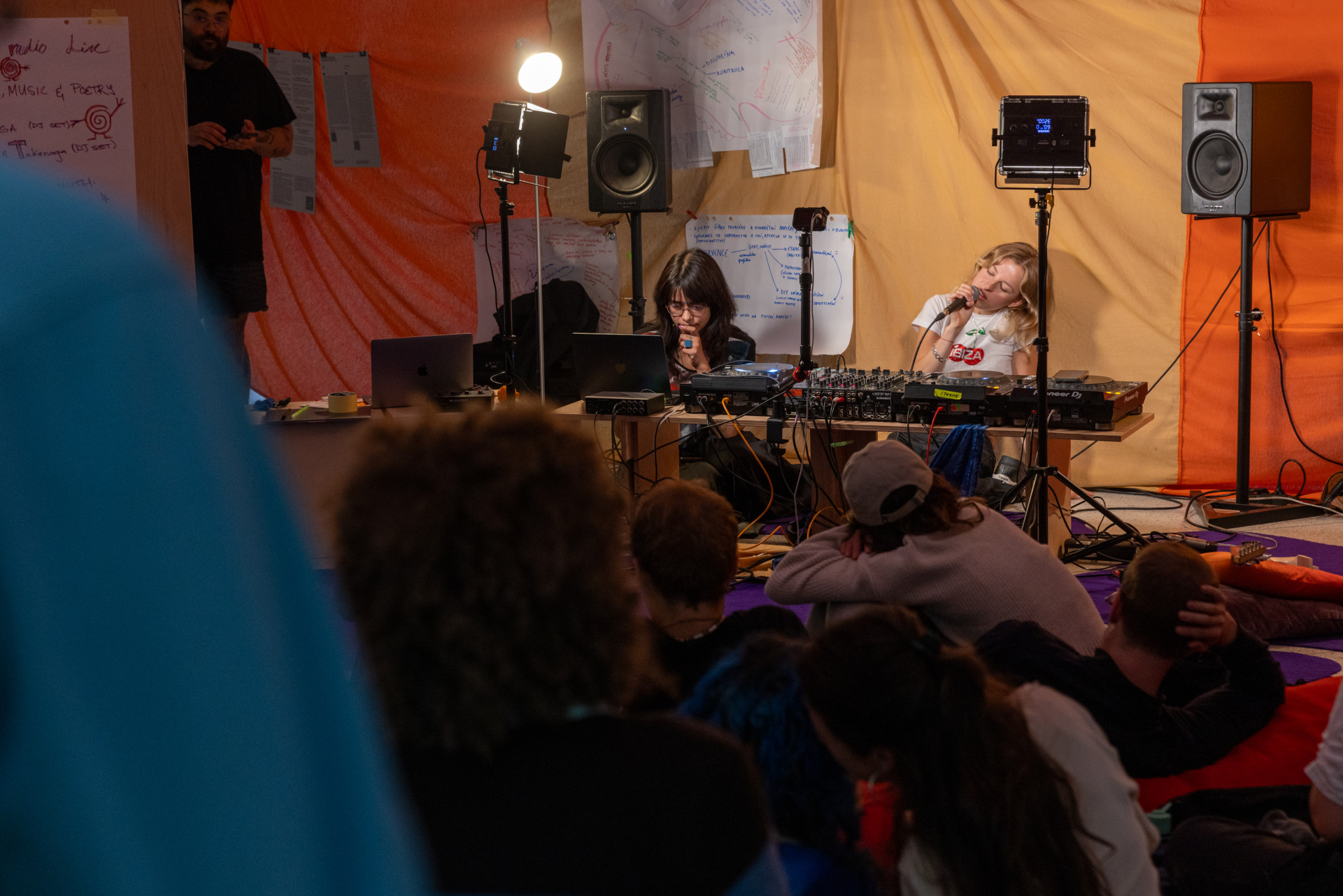
Shella Radio – sentimental club :3 – Tokyo Drift, Closing of the 2026 Biennale Matter of Art, National Gallery Prague – Trade Fair Palace © Tereza Havlínková
In September the biennale in Prague welcomed Palestinian artist Nour Shantout, whose four-day program introduced “tatreez,” a kind of Palestinian embroidery, as a language of memory and resistance. A curated evening at the Goethe-Institut devoted to HIV/AIDS in central Europe featured a film about photographer Jürgen Baldiga and a lecture by historian Ben Miller. This was followed by the launch of the book With Ribbons and Flags, on the work of the late Ukrainian artist and soldier Davyd Chychkan, and a closing performance by Szymon Adamczak. At Tusculum, the StonyTellers collective bid farewell to the vegetable garden it had tended with the local community over the course of the biennale. The exhibition in Pardubice closed on 26 September with a performance by András Cséfalvay.
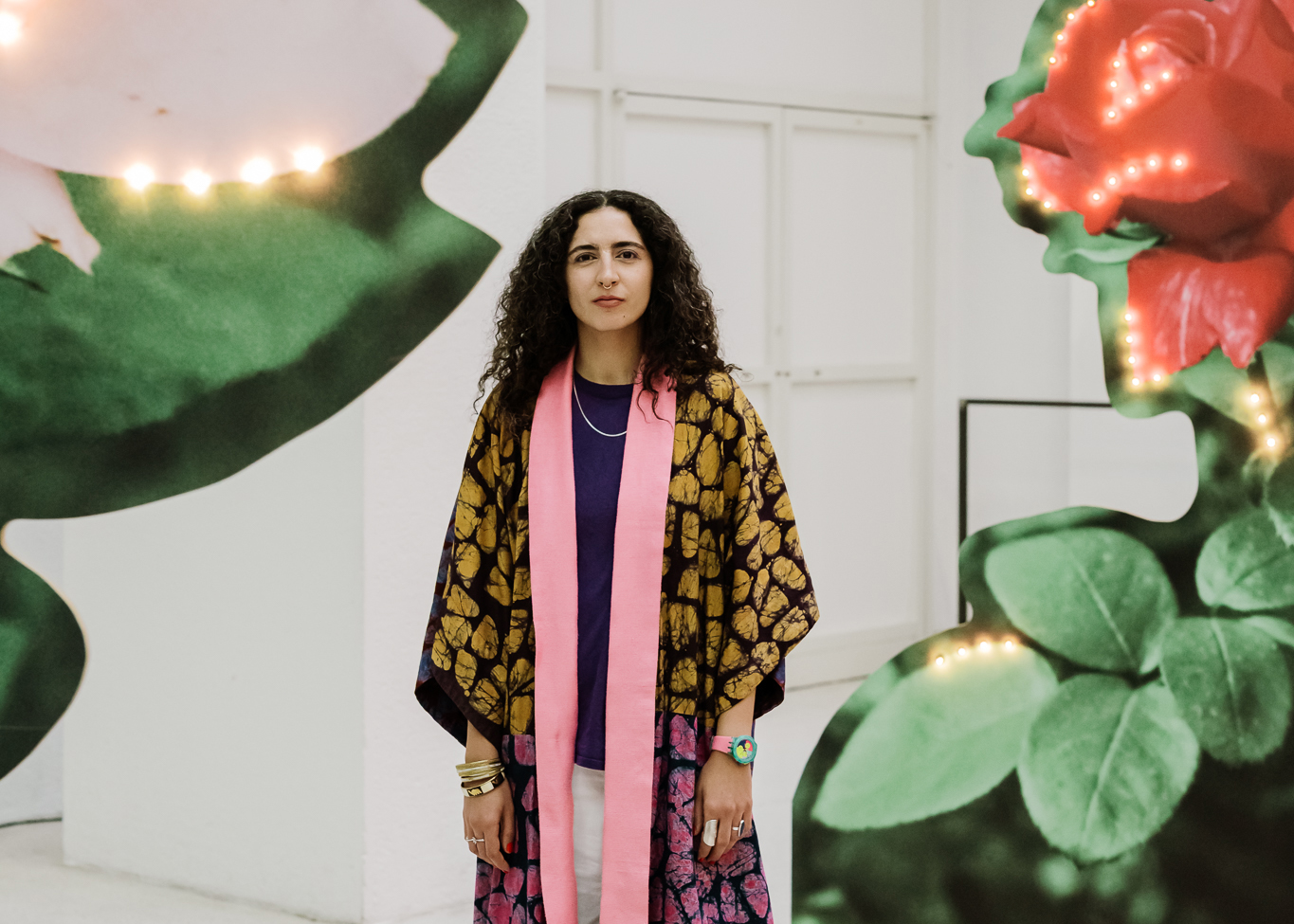
Nour Shantout, Biennale Matter of Art 2026, National Gallery Prague – Trade Fair Palace © Libor Galia
Artwork by Nadia Markiewicz – Mutants
In collaboration with the online magazine Druhá : směna, an open call for emerging writers was launched with the aim of opening up publishing opportunities to new voices. The selected authors received editorial support and an author’s fee. Four texts were eventually published in the August issue of Queer East. Written by Elizabet Kovačeva, Kateřina Myška Zolotnicyna, Václav Opatřil, and Elizaveta Kharchenko, the texts explore themes such as queer coming of age, migration, small-town Pride, and the search for identity in central and eastern Europe.
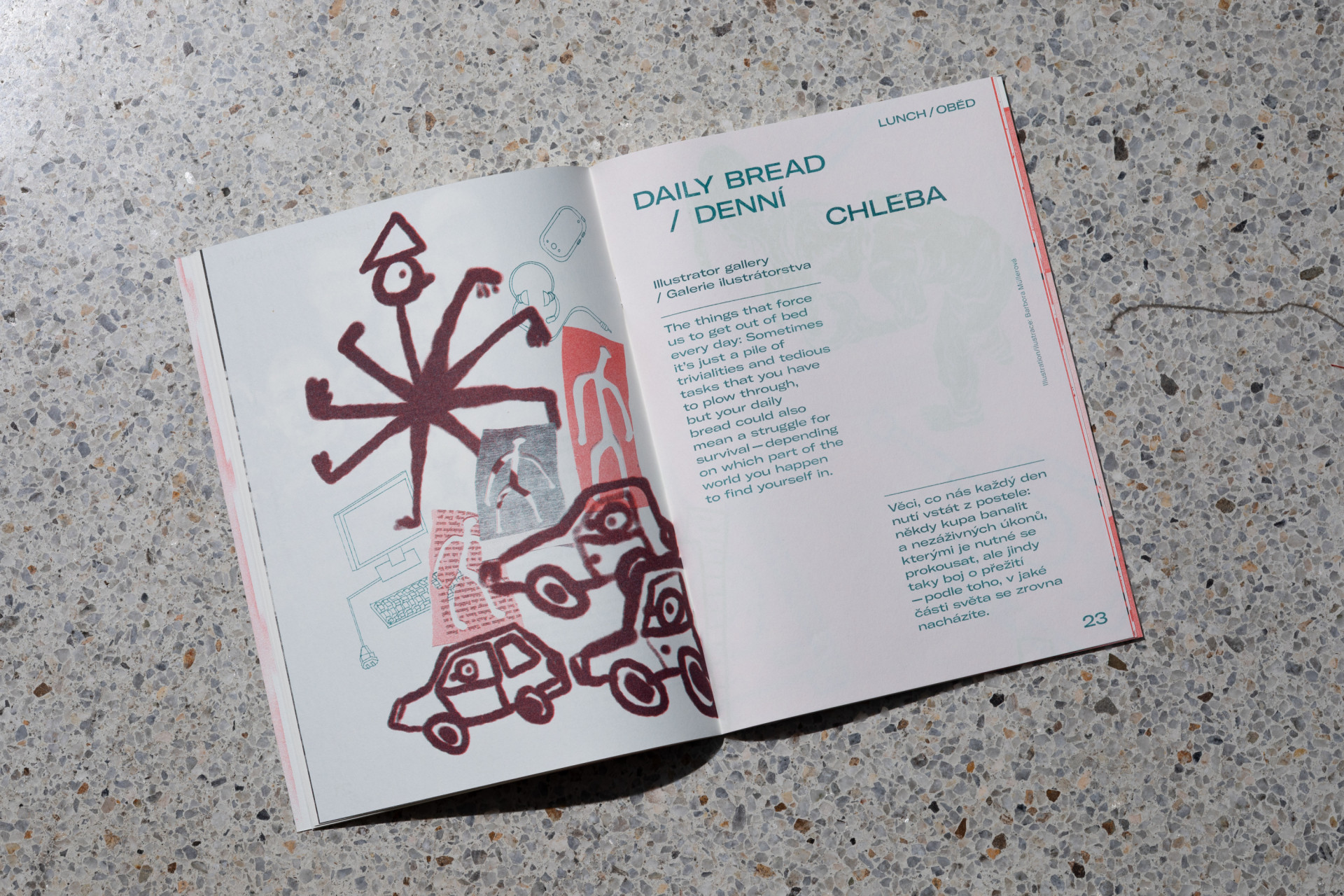
Fůd mag – Daily Bread, photo © Jonáš Verešpej
Instead of a conventional exhibition catalog, the ninth issue of the magazine Fůd, subtitled Daily Bread, was produced for the biennale. It was prepared by the collective of illustrators Barbora Tögel, Veronika Homolová, and Barbora Müllerová, who have been dedicated to socially engaged illustration and comics since 2015. The theme of “daily bread” addressed the conditions in which authors in different regions live and work and the obstacles they face every day. Texts were contributed by František Fekete, Jakub Gawkowski, Oleg Gryshchenko, Barbora Müllerová, Olena Staranchuk, and Jaroslava Tomanová. The magazine featured illustrations by Fuad Alymani, Meysam Azarzad, Davyd Chychkan, Bára Gallo, Veronika Homolová, Inma Hortas, Vincent Kilbride, Barbora Müllerová, Studio Seri/graph (Jenya Polosina and Anya Ivanenko), Michal Šumichrast, Barbora Tögel, Juliana Toro, and Zeloot. The collaboration with Fůd was part of an effort to share curatorial responsibility and broaden the idea of what form a biennale can take.
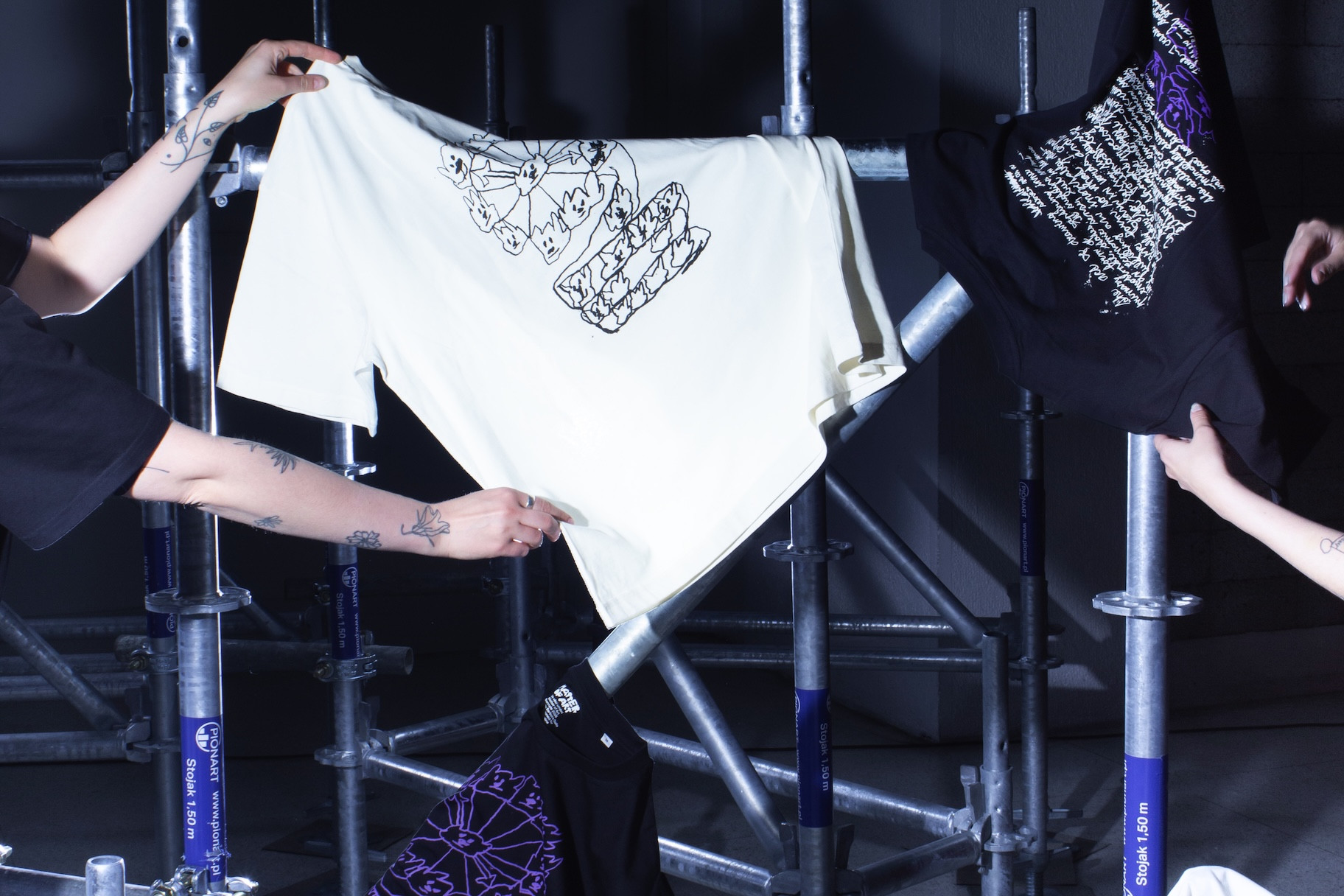
Merch of the Biennale Matter of Art 2026, photo © Kristína Opálková
To mark this edition of the biennale, we also released a limited-edition collection of merch: silk scarves featuring reproductions of works by Aliza Orlan, Noor Abed, and Anne-Mie Van Kerckhoven; oversized screen-printed T-shirts made from organic cotton, created in collaboration with illustrator Barbora Gallo and Fatcat Press; and embroidered caps bearing the biennale’s subtitle, Necessary Wishes. Everything remains available after the end of the biennale in our online bookshop, knihy.matterof.art.
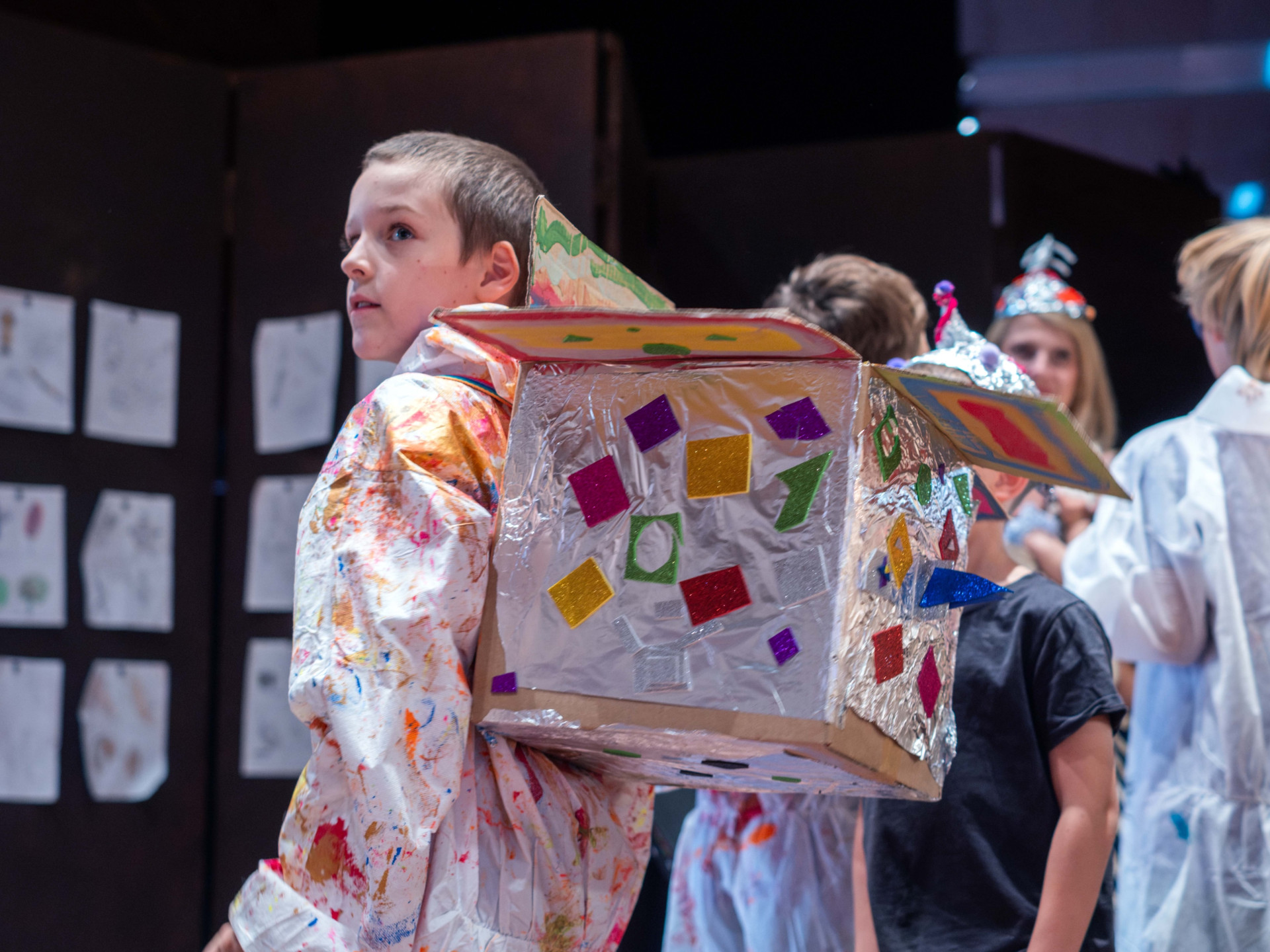
Accompanying program for children, Biennale Matter of Art 2026, GAMPA – City Gallery Pardubice © Marie Matula Sieber
Art Between Hope and Exhaustion
Media monitoring recorded sixty-two media outputs in eight languages, and influencers published a further thirty-eight mentions. The biennale was covered by ČT art, Czech Radio Vltava, Deník Alarm, A2, Vogue CS, ELLE, Harper’s Bazaar, Cosmopolitan, CzechCrunch, Czech Radio Wave, Radio 1, and Pardubické noviny, among others, and internationally by Radio Liberty, Euroradio.fm, Berlin Art Link, Arts of the Working Class, MOST, Slovakia’s Kapitál, and Harper’s Bazaar Japan.
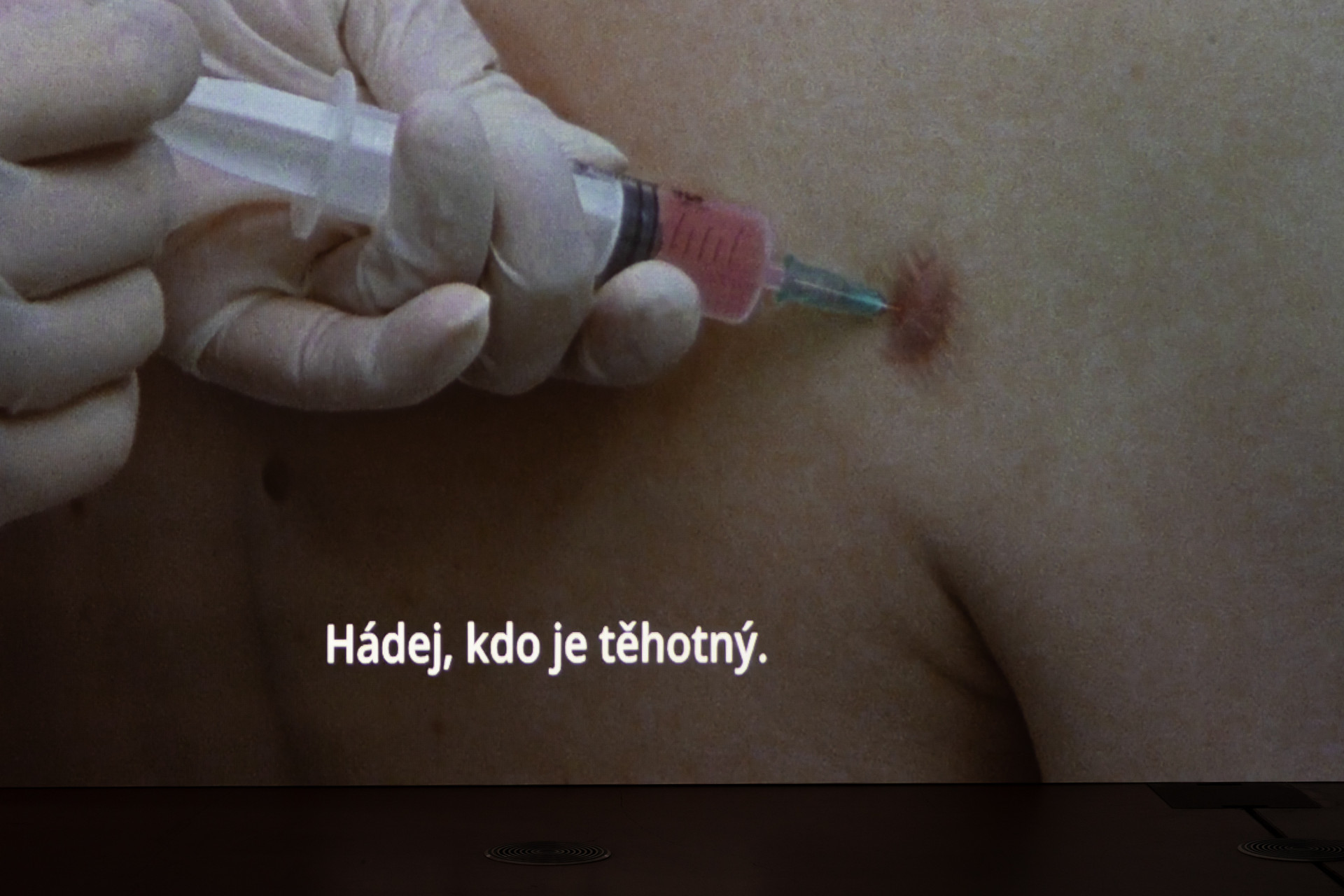
Isadora Neves Marques – The Ovary, Biennale Matter of Art 2026, GAMPA – City Gallery Pardubice © Jonáš Verešpej
Reviewers agreed that the biennale is built on collaboration rather than scale. Writing in MOST, Agata Pyzik noted that its strength “doesn’t lie in spectacularity but in building a local network of connections.” She praised its focus on the eastern European scene, likened Rufina Bazlova’s installation to a contemplative sanctuary, and found the Pardubice presentation especially sharp and focused. In Arts of the Working Class, Václav Janoščík emphasized that collective practices are not a substitute for scale but an inherent part of the exhibition, reading the tension between wish and necessity as the condition in which art exists today: “Between hope and exhaustion.” Berlin Art Link described necessity as a practice that the exhibition translates into its very architecture, while Czech Radio Vltava observed that art can also emerge through collective reading, a garden, or care. The opening and the exhibition were attended by numerous figures from political and cultural life, including Belarusian opposition leader Sviatlana Tsikhanouskaya. The biennale was held under the auspices of First Lady of the Czech Republic Eva Pavlová and Mayor of Prague 7 Jan Čižinský.